Painkillers are a standard, cheap and effective means to counter pain. We rely on them to manage the pain and take them practically for granted. I am referring to simple, everyday painkillers like NSAIDs, not strong pain medications acting on opioid receptors. This luxury of simple pain management is unfortunately only true for recent history.
For the most part of its existence, humanity’s arsenal was extremely limited. Not to mention the chaotical recommendation in this area stemming from the lack of understanding the mechanisms. And in the case of major manufacturing disruptions, we can be on that level again.
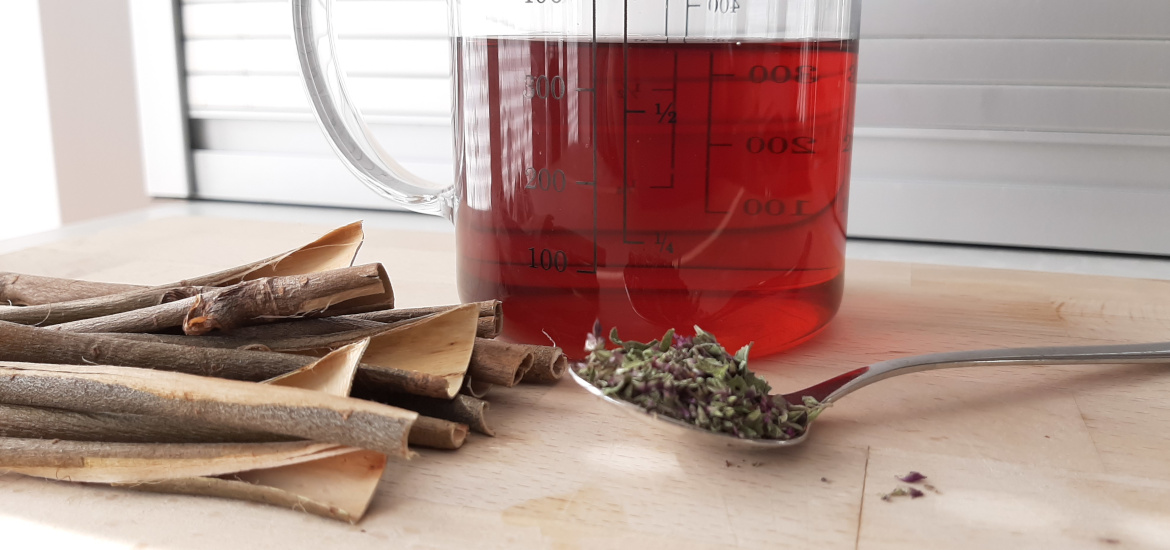
But luckily we have learned a lot about pain and pain management and we can apply this knowledge to look for alternatives to manufactured painkillers. As a matter of fact, aspirin, one of the most known painkillers, originated as an extract from the willow bark.
Aspirin (salicin)
So let’s start with aspirin, which was already mentioned. Willow bark containing salicin was used to reduce fever and manage pain for a long time, but exact time is unclear and historic sources vary from 300 to 2000 years ago.
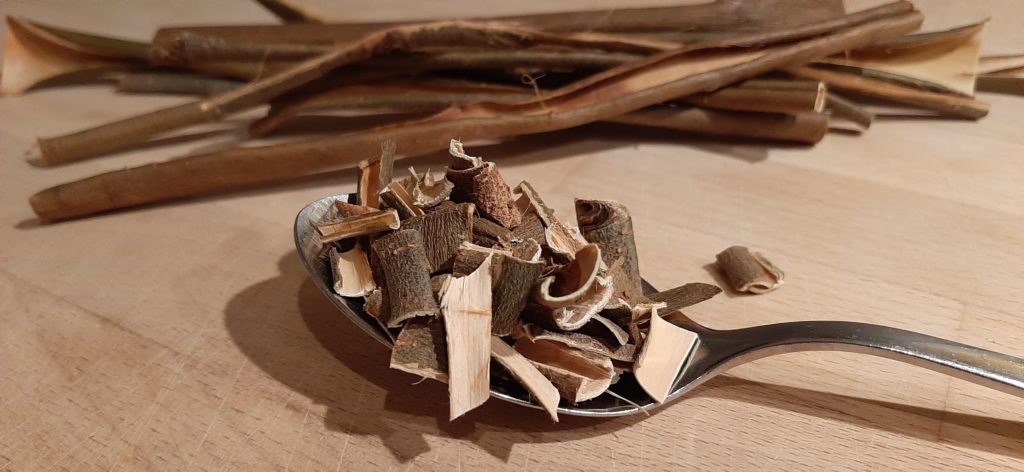
Anyway, armed with today’s knowledge, we know that salicin from the willow or other plants can reduce pain and fewer when converted to salicylic acid in the body. The amount of salicin in the willow bark varies widely, from 0.5 to 10%, making the dosing not so accurate. It would therefore be a good idea to extract or at least concentrate the salicin. There are some ideas floating around the internet, but the solution is fairly simple. If we consider that the solubility of salicin is the highest in water (around 40 g/L) we simply use water for salicin extraction. Then we boil off the water and we end up with powder containing a lot of salicin. For the dosing purposes I would assume this to be pure salicin and increase the dose if needed. The dose of salicin found on the internet is 240 mg.
Other common plants containing salicin are poplars (Populus) which can contain from 3-7% of salicin in the leaves. Further, other species containing salicin are listed here. Special mention is needed for Wintergreen, which contains methyl salicylate, which is also converted to salicylic acid in the body. Especially its oil, which contains 98% of methyl salicylate.
Spices for managing pain
Here are many spices that are claimed to relieve pain. Let’s look at the most probable candidates.
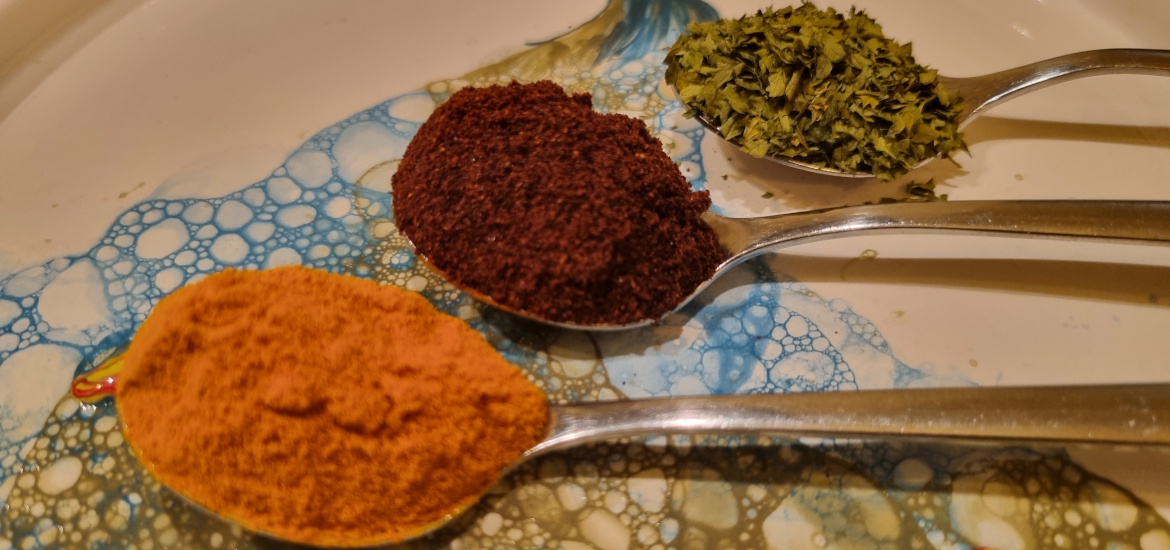
Turmeric is often mentioned as an effective way to manage pain. Unfortunately, there is no strong evidence that it helps in pain relief. This article sums it up perfectly. Although it deals with arthritic pain, which is the most researched type of pain that turmeric is used for, I guess it is valid for all types of pain.
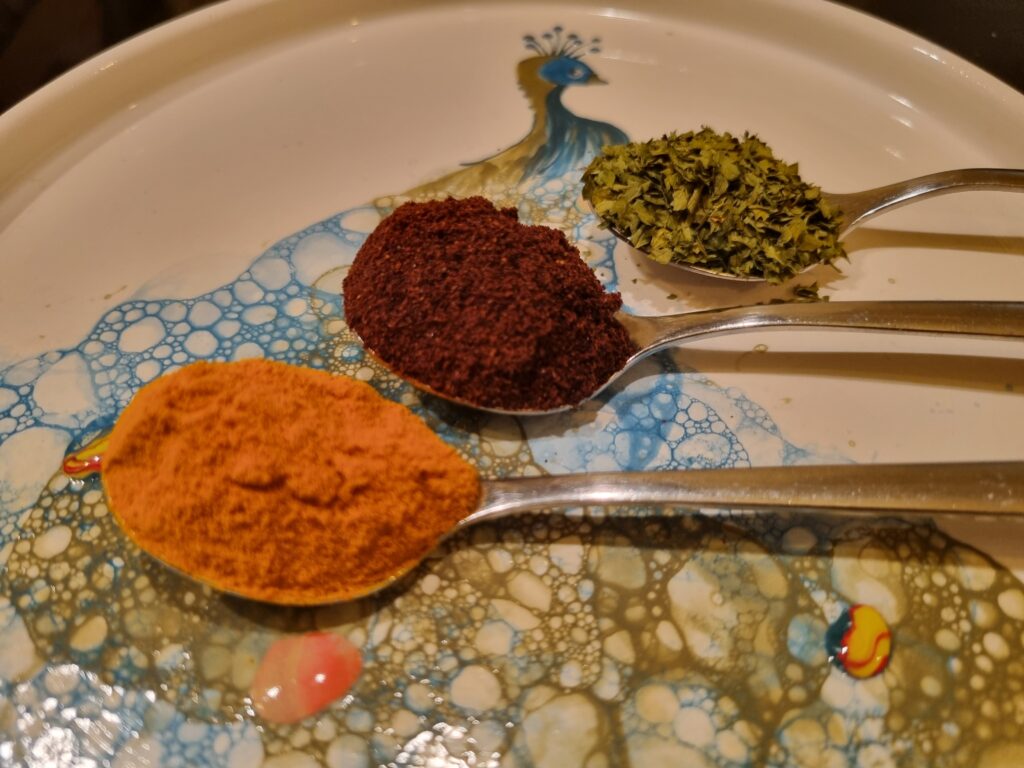
Unfortunately, there is even less evidence for other spices like cloves or ginger. They have been traditionally used as herbal medicine, but no definitive studies exist about their ability to reduce pain. So, in summary, the above mentioned spices can have some small effect, but are not comparable to the painkillers that we are used to today, with the possible exception of turmeric.
Boswellia Serrata is not exactly a spice, but frankincense, which is obtained from it, is a close relative to spices, at least in my opinion. The evidence for Boswellia Serrata in chronic pain management is not strong, but there is some and it shows comparable activity to turmeric.
Food for managing pain
Eating simple food to manage pain is an interesting idea. Omega-3 Fatty Acids are found in a variety of fish and flax are used to treat or ease a variety of symptoms and diseases. They also show a moderate effect in chronic pain treatment, for instance joint pain.
Tart cherries (Prunus cerasus) are predominantly used for its taste and in smaller quantities, but can also be used as jams or confiture. Here the evidence is not so strong, with only a handful of articles addressing this topic and no concrete studies.
Hot and cold treatment
Pain treatment is not only limited to things that you can eat. Warm and cold treatment is often mentioned and used for different pain treatments. Usually cold therapy is used for acute sport injuries or cold and hot therapy for muscle soreness. Some evidence exist that hot treatment for lower back pain or osteoarthritis of the knee might also work. The main problem is lack of good and conclusive studies in this field, a situation similar to spices and food interventions for treatment of pain.
Conclusion
From this short research I can summarize that if you have a headache or for general acute pain management, the only thing that will work is salicin. For chronic pain, like arthritis this might not be the best option due to possibilities of side effects with chronic use. For such cases turmeric seems to be the best option, followed by other methods described – just pick the one that works for you. If you know of some other painkillers not mentioned here, please drop a line in the comments below.