
Calcium is an important component of balanced food from infancy to old age. In general, calcium intake is adequate in developed western countries, which include a relatively large portion of dairy products in their diet. However, I will not focus on a balanced calcium diet or improving calcium intake throughout our lives. My focus will be on shortly increasing calcium intake on a weekly basis to assist in healing processes of broken or cracked bones.
To be perfectly clear, there is no evidence that increasing the calcium intake beyond daily recommendation is beneficial for bone healing, since the number of studies in this field is very low. Even for more research fields, such as calcium and vitamin D supplementation for increasing bone mineral density in premenopausal women, there was no evidence that the supplementation helps. My personal view is that increasing calcium intake does not help in bone healing. But if you are waiting for your bones to heal, it does not harm to take an extra bite of that fine cheese from your fridge.
There is one more thing to note. Calcium is not a thing that is readily absorbed. Its absorption is based on many factors, with vitamin D probably being the most important one. To illustrate the point, absorption of calcium from dairy products is around 30%, and this is probably as high as it gets. In certain foods, which contain compounds that form insoluble calcium salts, this is much lower. For instance in spinach the amount of absorbed calcium is only 5%, although the total calcium amount in spinach is relatively high, comparable to the amount in milk or ricotta.
Food sources of calcium
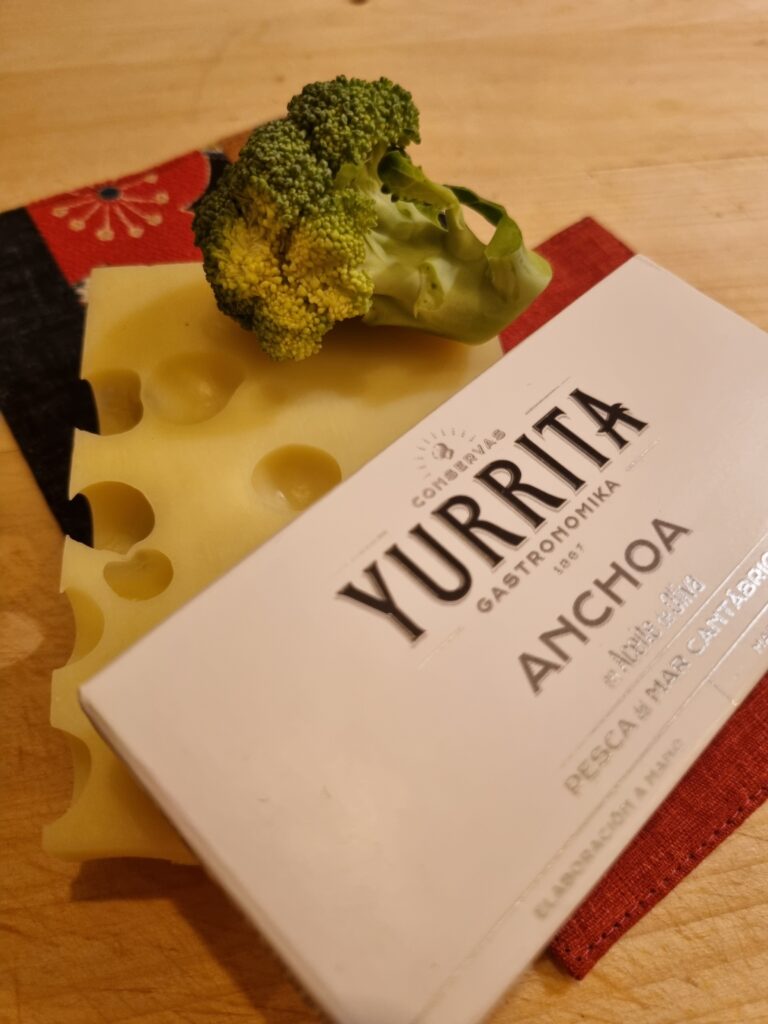
As already said, we should not look only at the total amount of calcium in a particular food, but also on the amount that can actually be absorbed. Further, the type of food is also important. For instance, although the absorption is roughly the same and calcium content in tahini is even slightly greater, I bet you can eat more canned sardines than tahini. A lot more. And you would definitely get more calcium that way. Lastly, you should also be mindful of all other things in the food, since some types, like hard cheese, have relatively high amounts of sodium and calories, which might not be a thing you would like with your daily calcium dose. So, all things considered, one should try the foods listed below, although this is by far not a complete or optimal list.
Dairy sources of calcium
First the dairy products, since the amount of calcium our body gets from these products is high. Milk is the first option, giving around 100 mg of absorbed (33%) calcium per cup (around 250 ml). Next are yogurt and ricotta, providing around 100 mg of absorbed (33%) calcium per 170 g and 130 grams respectively. The winner (also in terms of taste) is parmesan cheese providing the same amount of calcium as other products mentioned above per only 30 grams of cheese.
Vegetable sources of calcium
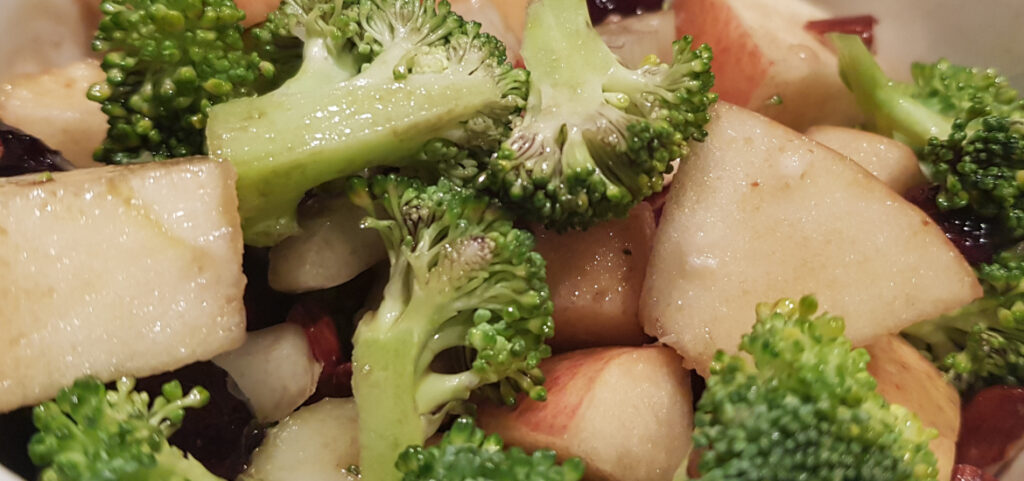
Next are the vegetables. Cooked collard greens, kale or turnip greens provide around 100 mg of absorbed (40-50%) calcium per 200 grams. All other options are lower in calcium, like cooked broccoli or white beans with 40 mg of absorbed calcium per 200 g or one medium sized orange with 20 mg of absorbed calcium.
Other food sources of calcium
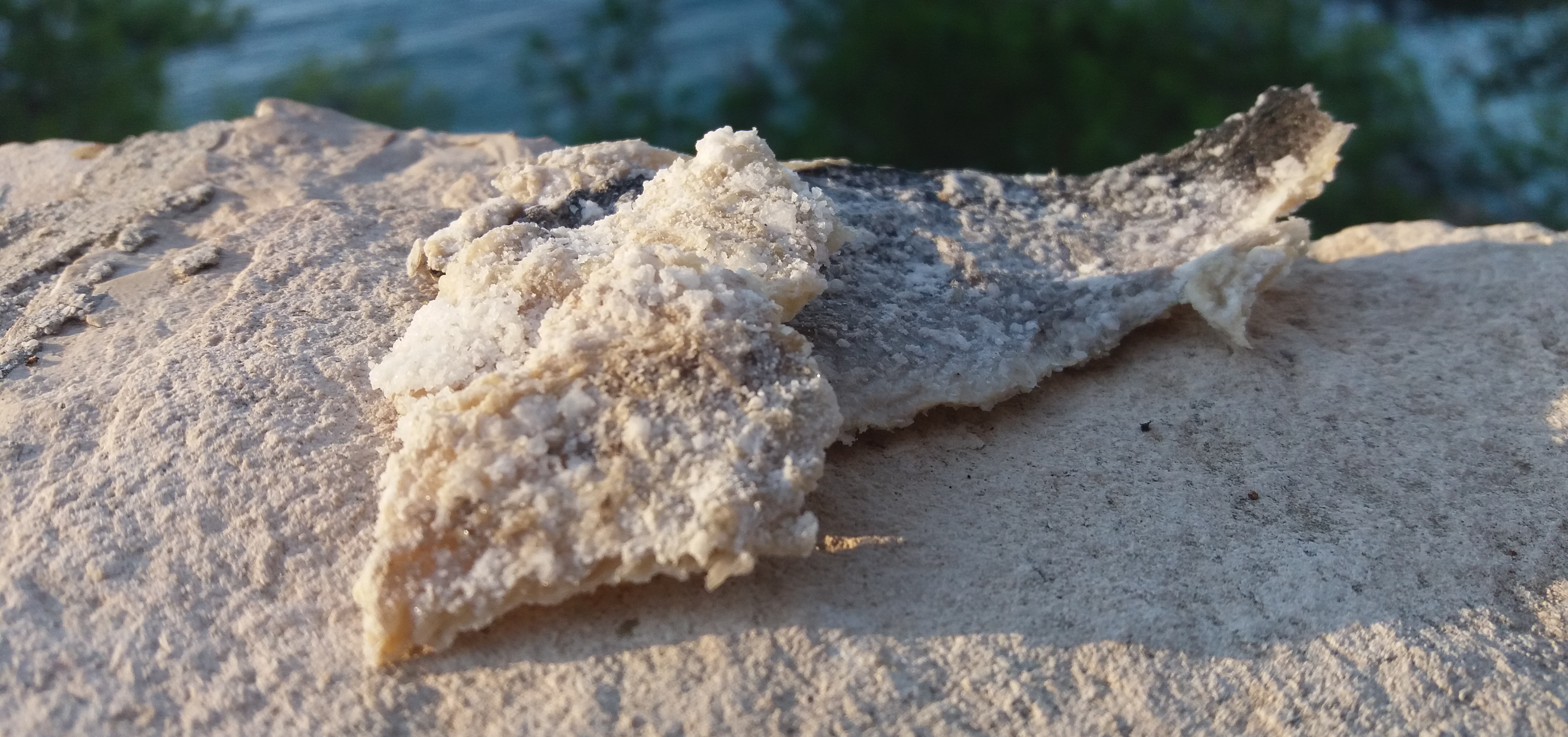
Finally there are other good sources of calcium like fish (with bones, since the calcium is mostly located there) or seeds and nuts. Canned sardines provide around 100 mg of absorbed (23%) calcium per 110 grams. Sesame seeds or chia seeds provide 100 mg of absorbed (21%) calcium per 50 or 80 grams respectively.
As already said, the best option is to eat a varied selection of food to ensure optimal calcium absorption. Dairy products and cooked kale, collard greens, broccoli and beans should be regularly on the menu to maximize the calcium intake.
Unusual source of calcium
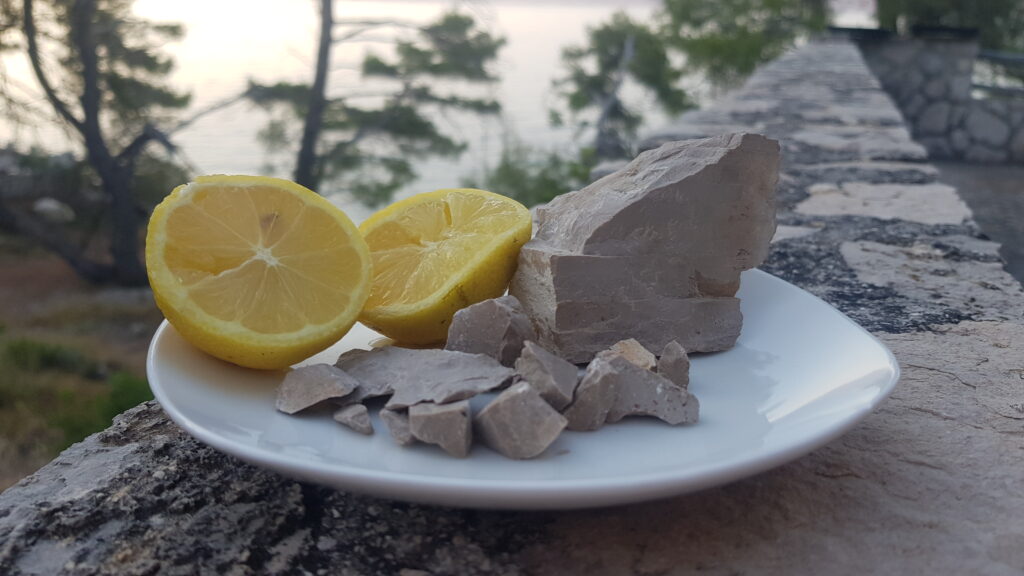
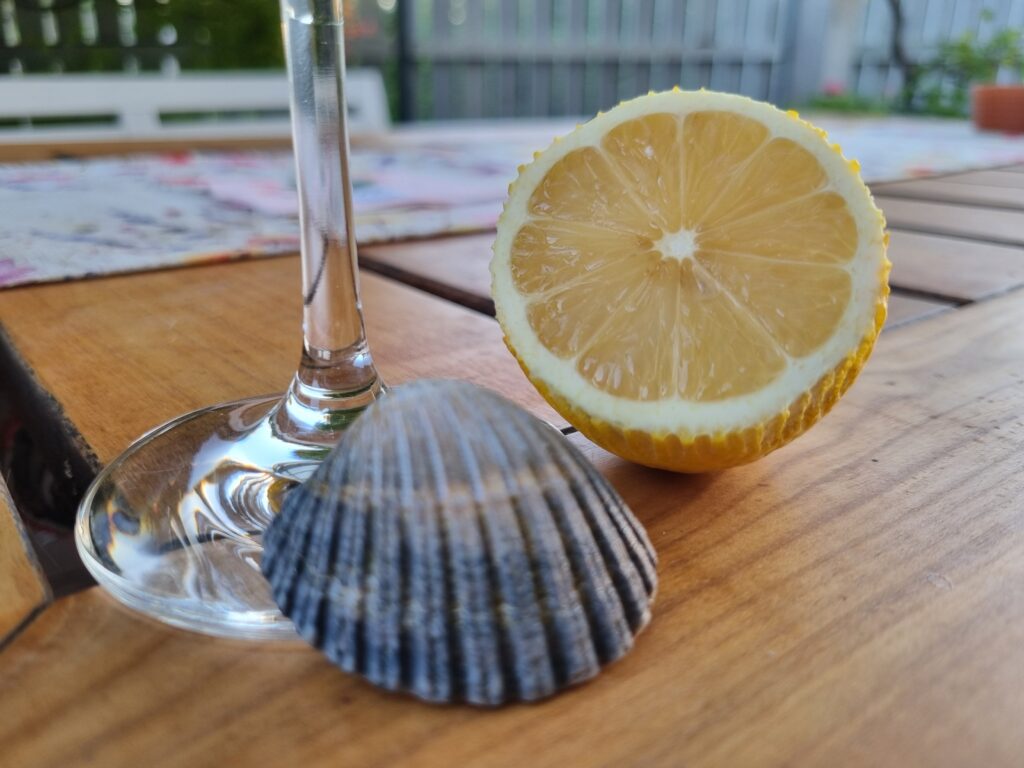
There is a source of calcium that is relatively readily available, but relatively unusual. Calcium is readily found in nature, mostly in the form of calcium carbonate, which is the main constituent of limestone and other minerals. If you want a purer form of calcium carbonate, shells of various animals or egg shells are another excellent source. Generally you can eat calcium carbonate directly and your stomach acid will dissolve it to absorbable calcium ions. But this way it is hard to dose the calcium and there can be a problem if you have low stomach acid.
Adding lemon juice on calcium carbonate (stones or shells) will dissolve it to calcium citrate and it will be perfect for absorption. Just add around 25 mL (3 table spoons) of lemon juice to your calcium source and you will end up with around 1000 mg of dissolved calcium. If you use lime stones, there can be other elements present and this can affect the taste. There is the usually sulphur present, which can be unpleasant, bu not harmful. With shells, such a thing is unlikely and the taste will be neutral. Even better, if you prepare a lemonade from the lemon juice it won’t be so acidic, so less sugar is needed. Cheers!